
Asset Protection: How To Keep Your Assets Secure From Long-Term Care Costs
As we grow older, the prospect of long term care becomes a pressing concern for a lot of families and their families. The skyrocketing costs of nursing home care can be a substantial risk to personal savings and the wealth that families have established through generations. In an endeavor to shield assets from these expenses, it is crucial to understand the different strategies available for protecting your savings from long term care bills.
Navigating the intricacies of Medicaid spend down and eligibility can be overwhelming, but with the proper planning, it is achievable to preserve family wealth while ensuring access to required care. This article will explore effective methods to guard assets from nursing home costs, how to qualify for Medicaid without losing everything, and the significance of long term care planning. We will break down essential asset protection strategies for seniors and retirees, helping you make informed decisions to secure your financial future.
Strategies for Safeguarding Assets
Safeguarding your savings from long-term care expenses requires a deliberate approach. A proven strategy is to form a financial trust explicitly designed for wealth preservation. By assigning your assets in an non-revocable trust, you can likely protect them from nursing home bills while still permitting for some degree of control over the resources. This strategy not only assists in qualifying for Medicaid without losing everything but also preserves family wealth for future generations.
Another key strategy is understanding the separation between measurable and exempt assets for Medicaid planning. Certain resources, such as your principal home and a modest car, are typically not counted from the Medicaid eligibility criteria. By strategically structuring your financial portfolio to include exempt assets, you can elude the risk of losing critical resources to nursing home costs. Consult with a wealth advisor to ensure you're taking full advantage of these exemptions while adhering to Medicaid regulations.
Extended care planning is vital in maintaining your wealth efficiently. One key step is to look into long-term care insurance, which can assist cover potential nursing home expenses and protect your retirement accounts. Additionally, conversing on Medicaid planning strategies with family members can be valuable to ensure everyone understands the significance of how to avoid losing assets to nursing home costs. Being proactive in these discussions aids in forming a solid foundation for your family’s financial future.
Understanding Medicaid Qualification
Medicaid qualification is a critical consideration for individuals and families preparing for long-term care. To qualify for Medicaid, applicants must meet specific income and asset limits, which can vary by state. Understanding these criteria is crucial for anyone considering nursing home care, as they directly impact how you can protect your savings from long-term care expenses. Most states have rigorous guidelines that determine what constitutes countable versus exempt assets, influencing one's ability to secure Medicaid assistance without losing their hard-earned wealth.
When individuals apply for Medicaid, they undergo a thorough financial assessment. Countable assets include cash, savings accounts, and investments, all of which can reduce eligibility. On the other hand, certain assets—such as a primary residence up to a designated value, personal belongings, and some retirement accounts—are typically excluded from eligibility rules. Understanding which assets you can retain is critical for strategizing and can significantly affect your long-term care strategy.
Medicaid planning strategies explained for families often involve developing a comprehensive approach to asset protection. This may include making use of legal tools like trusts, gifting strategies, and careful spending to ensure that individuals can qualify for Medicaid while avoiding losing everything. By grasping the details of Medicaid eligibility and how to efficiently shield assets from nursing home bills, families can preserve their wealth and ensure that they are prepared for possible long-term care needs.
Long Term Care Planning Essentials
Effective long term care planning is essential for safeguarding your assets from long term care expenses. By creating a well-planned approach, you can make certain that your assets continue to be protected while still meeting your healthcare needs. Understanding visit the following website page is critical, as forethoughtful planning allows you to navigate Medicaid eligibility rules and steer clear of unnecessary financial strain.
One crucial aspect of long term care planning is separating between counted and excluded assets for Medicaid planning. Specific assets, such as your principal home and designated retirement accounts, may be not counted from Medicaid eligibility calculations. Knowing which assets can be kept intact can help you increase your wealth while qualifying for assistance. Developing a clear knowledge of these distinctions can empower families to make educated decisions regarding the safeguarding of assets.
Incorporating structured Medicaid planning strategies can further improve your ability to maintain family wealth. Working with a skilled elder law attorney or financial planner can help you carry out effective measures to protect assets from nursing home bills. These professionals can navigate you through the complexities of the Medicaid spend down process and help you strategize to gain access to Medicaid without losing everything you have built. With careful planning and well-considered choices, peace of mind can be attained for you and your loved ones.
Retirement Accounts and Nursing Home Costs
When it comes to safeguarding your savings from long term care expenses, knowing how retirement accounts are treated under Medicaid rules is crucial. Generally, funds maintained in retirement plans like 401(k)s or IRAs are considered countable assets when assessing Medicaid eligibility. This means that if you rely solely on these funds for financial support, you may be at threat of spending down your wealth to become eligible for Medicaid, which could leading to a loss of your hard-earned savings.
To shield retirement accounts from nursing home bills, it is crucial to explore effective options. One approach is to convert your retirement accounts into an earning source or roll them into exempt accounts. https://www.wsj.com/articles/home-buyers-are-finding-creative-ways-to-make-cash-offers-11654767001 can often be done through annuity contracts or by making direct payments to family members, thereby safeguarding assets while ensuring you still meet Medicaid eligibility requirements. Implementing these tactics within your nursing care planning can help protect family wealth.
Another important aspect is to understand what assets are exempt from Medicaid eligibility rules. Certain accounts, like some pension plans and life insurance, may not count against the asset limit. By working with a finance professional or attorney specialized in Medicaid compliance, you can effectively navigate the complexities of retirement accounts and ensure that you are eligible for Medicaid without losing everything you've built over your life.


An Ultimate Manual To Protecting Your Investment Funds From Nursing Home Charges
As time goes by, the possibility of needing long-term care can be overwhelming, not just for ourselves but for our loved ones as well. The rising costs of nursing home care can quickly consume savings and endanger the financial legacy we wish to leave our families. Fortunately, there are effective strategies to shield your retirement funds from the impact of nursing home expenses. Knowing how to manage these circumstances can enable you to protect your savings and secure your family's future.
Understanding Medicaid and its eligibility requirements is crucial when it comes to protecting your assets from nursing home costs. With proper planning, you can avoid the dreaded spend-down process that often puts families at risk. This guide will discuss various Medicaid planning strategies to maintain family wealth, outlining the best ways to guard your assets, including your home and retirement accounts, from the financial strain of long-term care. Whether you are heading towards retirement or are already a senior, it's never too late to start strategizing for the future.
Understanding Medicaid plus Extended Care
Medicaid acts a vital part in offering financial assistance for prolonged care, which consists of services including nursing home care and home health care. With weblink related to aging become more widespread, the financial burdens related to these services can be daunting, frequently draining a lifetime of savings. For those who qualify, Medical Assistance offers a method to cover these expenses, but grasping its guidelines and conditions is essential to efficiently shield your savings from prolonged care costs.
To be accepted for Medical Assistance, individuals must handle complex criteria that set apart between considerable plus exempt holdings. Countable resources consist of liquid assets, retirement savings, and certain real estate, that can invalidate individuals if they exceed specific amounts. In contrast, exempt assets, such as a single main dwelling plus certain belongings, are not counted in the eligibility calculations. Being aware of what resources are exempt from the regulations of Medicaid can assist families plan their financial strategies to gain access for assistance without sacrificing everything.
Proper extended care planning is essential for individuals troubled about shielding their wealth against the costs of nursing care. This planning requires reviewing one’s financial health, understanding how Medicaid planning aids protect family resources, & executing strategies for safeguarding resources from the Medicaid spend-down. By staying proactive plus aware, seniors plus retirees can identify the best strategies to protect wealth from nursing home bills and guaranteeing they have entry to the care they need.
Methods for Protecting Assets
One of the most effective strategies for shielding assets from nursing home costs is to engage in proactive long-term care planning. This involves assessing your financial situation in advance and considering options like long-term care insurance. By securing insurance that covers potential nursing home expenses, you can protect your savings from long-term care expenses and ensure you have the necessary resources to maintain your standard of living without depleting your assets.
Another vital approach is to understand the gap between included and exempt assets under Medicaid eligibility rules. Knowing which assets are protected can help you preserve family wealth while qualifying for Medicaid without losing everything. For example, your home, certain retirement accounts, and some personal belongings may be safe, allowing you to retain a significant portion of your assets while still receiving necessary care.
Additionally, utilizing specific approaches such as creating trusts that cannot be revoked can provide a legally sound way to shield assets from nursing home bills and Medicaid recovery. By transferring assets into a trust, you can ensure they are not counted towards Medicaid eligibility, allowing you to qualify for support while maintaining control over your finances. These asset protection strategies are crucial for seniors and retirees looking to plan for a secure financial future.
Navigating Medicaid's Qualifications
Grasping Medicaid qualifications is important for those concerned about protecting their assets from long-term care expenses. Medicaid, a state-funded program created to help those with minimal financial means, has distinct qualification guidelines that can substantially impact your ability to qualify for assistance without sacrificing your assets. Acquainting yourself with these standards can assist you create successful extended care strategies to shield your family resources.
One critical aspect of Medicaid qualifications is the separation between considered and excluded assets. Countable assets include nearly all of your wealth and financial assets, which can exclude you from receiving benefits if they surpass the defined thresholds. However, there are various assets that are excluded from Medicaid qualifications rules, such as your principal home, particular personal belongings, and pension accounts, provided they fulfill specific conditions. Grasping what qualifies as exempt can greatly affect your strategy for asset protection.
Additionally, implementing Medicaid preparation strategies can help you become eligible for Medicaid without forfeiting everything you have worked hard to obtain. These approaches may involve redistributing your assets, forming trusts, or spending down certain resources in a planned way. By being diligent and knowledgeable about the regulations of Medicaid eligibility, you can efficiently secure your assets from potential nursing home expenses and ensure financial stability for yourself and your family.
Extended Nursing Care Preparation Fundamentals
Extended care preparation is crucial for individuals looking to safeguard their assets from nursing home expenses. It involves a comprehensive approach to understanding how different financial strategies can protect your assets against the high expenses of nursing home care. Creating a strategy early on allows you to organize your financial resources and investigate options that assist protect your family assets while guaranteeing you receive the required care if needed.
One critical aspect of successful long-term care preparation is understanding the difference between countable and non-countable resources for Medicaid eligibility. Being how to plan ahead for Medicaid eligibility requirements of what resources you can retain without compromising your qualifications for assistance is essential in formulating a plan. For instance, specific retirement plans, main residences, and personal belongings may not be considered against you, providing you with valuable means to protect your assets from long-term care costs.
Moreover, implementing Medicaid preparation strategies can greatly assist households seeking to be eligible for Medicaid without sacrificing everything they have accumulated. It's important to navigate the nuances of Medicaid rules with care, as adequate planning can help avert the spend-down process that drains savings. By incorporating wealth preservation tactics into your long-term care strategy, you can protect your finances and guarantee peace of mind for both you and your loved ones.
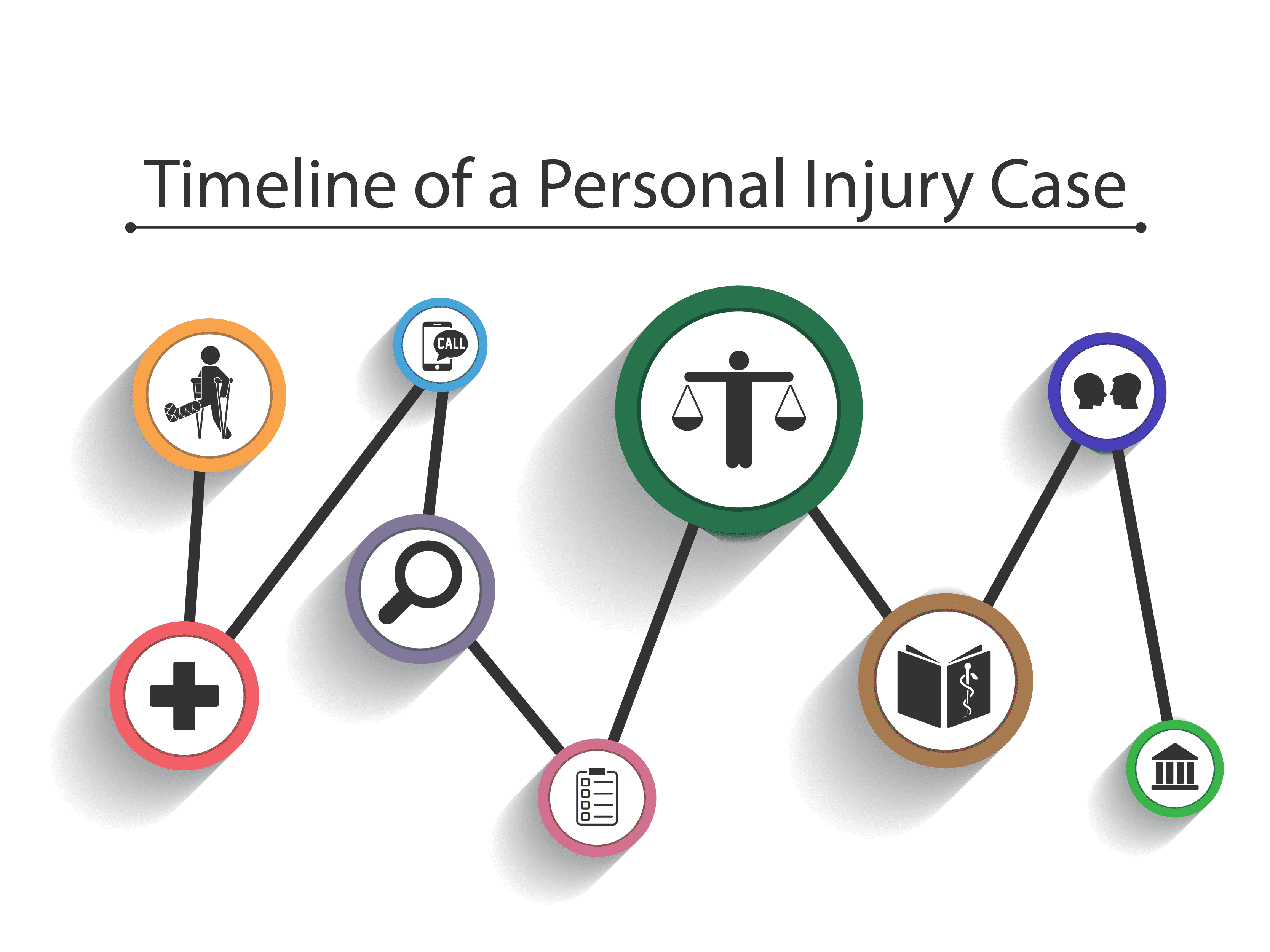

Safeguarding Your Monetary Health: Shielding Resources From Prolonged Care Fees
As we age, the chance of requiring long-term care grows into a significant concern for many individuals and families. As nursing home costs escalating at alarming rates, the economic strain can turn into heavy. It is essential to comprehend how to shield your savings from long-term care expenses while ensuring that your hard-earned money is kept for your descendants. The impact of long-term care on personal finances can be profound, but with the appropriate strategies and planning, you can protect your assets from the threat of nursing home bills.
The planning of Medicaid holds a key role in this situation, offering a way to be eligible for necessary assistance without losing everything you have worked for over the time. By exploring the different strategies for asset protection available, you can learn how to safeguard retirement funds, protect your home from potential Medicaid recovery, and manage the intricate landscape of counted versus exempt assets. Being proactive today can make all the difference in ensuring that your family wealth stays protected, allowing you to pay attention on quality care rather than financial stress in the time ahead.
Methods for Shielding Wealth from Prolonged Care Costs
Safeguarding your savings from extended care costs starts with preemptive strategy. One efficient strategy is to establish a legal trust, which can hold and administer your assets while allowing you to keep oversight during your existence. By transferring your resources in an irrevocable trust, they can be shielded from Medicaid's spend down requirements, helping you to qualify for Medicaid without forfeiting everything. This method necessitates careful consideration and professional advice, but it can substantially preserve your family assets for future generations.
Another key strategy is grasping the difference between countable and exempt properties under government assistance eligibility guidelines. Certain properties, such as your main home and particular retirement accounts, may be excluded from Medicaid's assessments. Knowing what resources are safe can help you shield them from assisted living bills. Participating in extended what is Medicaid crisis planning and how it works with a financial planner familiar with government assistance planning strategies can guarantee you are executing informed judgments that align with your goals.
Additionally, contribution methods can provide another layer of defense against extended care costs. By gradually transferring wealth to relatives or loved ones, you can minimize your overall asset base that may be exposed to Medicaid’s spend down. However, it is important to be cognizant of the evaluation period set by government assistance, which scrutinizes transfers made within a certain window. Establishing these wealth protection methods prematurely can help safeguard your financial future while making certain your dependents are cared for.
Comprehending Medicaid Planning for Asset Preservation
Medicaid planning is a vital approach for those wishing to protect their assets from prolonged care expenses. It involves understanding the complex guidelines of Medicaid eligibility to guarantee that individuals can get necessary healthcare services without depleting their resources. By effectively managing these rules, families can preserve their financial resources, allowing them to maintain a stable lifestyle while still accessing essential medical support.
One of the key elements of Medicaid preparation is the difference between countable and non-countable assets. Considered assets are those that Medicaid considers when assessing eligibility, while non-countable assets do not impact eligibility. Common protected assets include a main home, specific retirement accounts, and personal property. Understanding what assets fall into each category is crucial for seniors and retirees wishing to safeguard their assets against potential assisted living bills.
In addition, implementing Medicaid planning strategies can enable families gain access for assistance without sacrificing everything they have strived hard to accumulate. By examining options such as legal trusts, gifting strategies, and reallocating assets, individuals can safeguard their retirement accounts and other important assets. Working with a knowledgeable professional in this discipline can provide customized advice, guaranteeing that families are well-prepared to tackle the challenges of extended care costs while preserving their monetary health.
Protecting Your Residence and Retirement Funds
One of the most significant issues when planning for extended care is protecting your home from potential Medicaid reclamation. To protect your home, it is essential to understand the principle of primary residence exempt status. In various cases, your house can be excluded from Medicaid eligibility rules if you continue to reside in it or if your spouse is still staying there. Additionally, http://usatoday.com/press-release/story/27808/new-article-from-sawyer-sawyer-p-a-explains-strategies-for-protecting-assets-from-nursing-home-costs/ as transferring the home into a trust fund can help ensure that it remains shielded, maintaining your family's wealth for coming generations.
Another critical aspect of asset safeguarding involves retirement accounts. A lot of individuals worry about how nursing home expenses could diminish their retirement savings. By properly structuring these accounts, such as utilizing particular types of trusts or financial products, you can protect your savings from being counted as assets for Medicaid purposes. This way, you can preserve your lifestyle and financial security, even while dealing with long-term care needs.
Finally, it is vital to differentiate between countable and exempt assets when organizing for Medicaid eligibility. Excluded assets may include your home, particular retirement accounts, and burial plots, among others. By understanding which assets can be saved, you can develop a thorough strategy for protecting your financial resources from long-term care expenses, ensuring that you meet requirements for Medicaid without losing all your assets you've worked hard for throughout your career.
Exploring Asset Exemptions and Qualification for Medicaid
In the process of methods to shield your savings from long term care expenses, it is essential to understand what resources are exempt from Medicaid eligibility rules. Typically, particular resources, such as a principal residence, possessions, and an individual vehicle, are protected under Medicaid standards. Additionally, money in pension plans may be protected, depending on the state and particular account type. Knowing which resources qualify as excluded can help you formulate effective strategies for safeguarding your resources from Medicaid spend down.
Grasping the distinction between countable and protected assets is vital for efficient Medicaid strategizing. Countable assets consist of checking and savings accounts, investments, and any other convertible assets that can be readily turned into cash. On the other hand, protected assets, which do not influence Medicaid eligibility, can act as a cushion for your family’s wealth. To navigate this intricate landscape competently, families should consider working with specialists in asset protection strategies for seniors and retirees, ensuring a holistic approach that protects their financial future.
Finally, gaining access to Medicaid without depleting your resources often necessitates strategic planning. Families can employ various Medicaid planning strategies, such as establishing trusts or participating in careful gifts, which can help maintain assets while meeting Medicaid's eligibility criteria. By formulating a well-planned long term care plan, you can protect your home from Medicaid recovery and ensure that your family are not burdened by exorbitant nursing home expenses.


Unveiling Peace Of Mind: The Vital Part Of An Estate Planning Solicitor
Traversing the challenges of estate planning can be a intimidating endeavor for a lot of families and individuals. The decisions surrounding the distribution of assets and care for heirs after one's passing frequently lead to bewilderment, particularly when it comes to grasping the differences between wills and trust agreements. This is where the knowledge of an estate planning lawyer becomes increasingly essential. From clarifying what is better for your specific situation to unraveling the complexities of how a will compares to a will and a revocable trust, a experienced attorney can assist you through the process with clarity and assurance.
As families confront planning for the future, many inquiries arise: Am I in need of a last will or a trust? What are the benefits of choosing one over the other? Especially in regions like Florida, in which some families opt for revocable trusts to evade the prolonged probate process, these inquiries become vital in ensuring tranquility. By delving into the realm of estate management with wills and trust instruments, individuals can make wise choices that not only protect their assets but also uphold their desires. An attorney specialized in estate planning plays a crucial role in this process, helping clients understand wills vs trusts and the most effective strategy to use for their circumstances.
Wills vs. Trusts: Understanding the Fundamentals
In terms of estate planning, grasping the difference between wills and trusts is crucial for anyone looking to protect their legacy. A will is a legal document that details how an individual's assets should be allocated upon their passing. It permits you to appoint guardians for minor children, specify beneficiaries for your property, and express your burial wishes. However, a will is subject to probate, meaning it must go through a judicial process that can be time-consuming and costly. This can lead to delays in the allocation of your estate and public revelation of your affairs.
On the flip side, a estate is a distinct legal entity that maintains assets for the advantage of designated beneficiaries. In estate planning tips for Florida homeowners to a will, a estate can take effect during your life and continues after your death. This can provide greater control over how and when your assets are distributed. Estates help prevent probate, allowing for a more seamless and faster transition of assets, which can be especially advantageous for families seeking to minimize stress during an already difficult time.
The decision between a testament and a trust often comes down to individual circumstances and preferences. Many people ask themselves, "Do I need a will or a estate?" The answer depends on elements such as the scale of your estate, your family situation, and your overall estate planning goals. While some may find a straightforward testament sufficient, others may benefit from the benefits of a estate, particularly as they aim to provide for their family members efficiently and discreetly.
### The Benefits of Trusts Compared to Wills
A trust offer significant advantages over wills, particularly when it comes to bypassing the probate process. Unlike a will, which must be validated and approved by a court, a trust allows for the direct allocation of wealth to recipients without court involvement. This not just facilitates the inheritance process but also saves time and costs related with probate. Families can enjoy quicker access to their inherited assets, providing assurance during a potentially challenging time.
Another important advantage of trusts is their ability to provide ongoing asset management for heirs. Sawyer & Sawyer legal guidance for Florida estate plans is especially relevant for those with dependents or individuals who may need help in managing their financial matters. A trust can outline specific guidelines on how and when funds should be disbursed, which can stop mismanagement and ensure that funds are used wisely. This degree of oversight is something a will cannot achieve.
Moreover, trusts offer a layer of confidentiality that wills do not provide. When a will goes through probate, it becomes a matter of public record, making the details of one's estate accessible to any interested parties. In opposition, a trust remains confidential, allowing families to maintain their financial matters confidential. This can be particularly important for families who place importance on discretion and wish to protect their inheritances from public oversight.
Probate Process: The Reasons Why Wills Undergo The Probate Process
A will is a lawful instrument that offers guidance on how an individual's assets should be distributed after their death. When someone passes away with a testament, the instrument must undergo the legal proceedings to be validated by the judicial system. This procedure ensures that the will is genuine and adheres with state laws, providing an legal means of executing the deceased's desires as outlined in the document.
During the probate process, the judiciary supervises various aspects such as calculating the total value of the estate, settling debts and taxes, and allocating assets to the heirs as indicated in the will. Since this is a legal process, it can take a significant amount of time, often many months, and may involve legal proceedings, especially if conflicts occur among stakeholders. This oversight ensures that the estate is administered properly, but it also means that the probate process can be expensive and time-consuming.
Additionally, a testament is made public during probate, which means anyone can view the will and view its contents. This openness can lead to potential disputes among heirs, and some may question the legitimacy of the testament itself. Consequently, families may choose to use trust funds, as they often avoid the probate process altogether, providing a more private and streamlined means of transferring assets and ensuring that the deceased's desires are honored without the hassles of court involvement.
Choosing Among a Last Will and a Trust
When determining between a will and a living trust, it's important to grasp the key distinctions that characterize each choice. A last will is a binding instrument that outlines your wishes regarding the distribution of your belongings after your demise, while a trust is a binding entity that manages your assets during your lifetime and can direct how they are managed and dispensed upon your passing. The primary distinction lies in the level of authority and flexibility each provides, as well as their consequences for the probate process.
Understanding last wills vs trusts also includes the probate process. Last wills generally necessitate probate, which can be a prolonged and public process that wraps up your estate. On the flip side, living trusts can often help bypass probate altogether, permitting for a more seamless transfer of property to beneficiaries without court intervention. This can be particularly helpful for families wishing to preserve confidentiality and minimize holdups in receiving their inheritance.
Ultimately, the choice among a will or a living trust depends on personal circumstances and preferences. For some, the simplicity and directness of a will may suffice, while some individuals may discover the additional control and advantages of a trust more attractive, especially in Florida where trusts are commonly used. Meeting with an estate planning lawyer can bring clarity on which option best meets your needs, ensuring that your plan for your estate matches with your personal objectives and household situation.


Your Legacy Matters: Why Of Expert Estate Planning
Planning for the future may sometimes come across as overwhelming, yet it represents an essential aspect of the vital steps you can take to protect your inheritance. Securing your wealth and ensuring your family are supported after you are gone is a crucial part of existence. This is where professional estate planning is important, enabling you to make wise choices about your intentions and offering comfort. Grasping the difference between wills and trusts is a crucial part of this journey, as each fulfills distinct purposes and comes with distinct advantages.
As you explore the nuances of estate planning, you might consider whether you need a legal will or a trust agreement, and which option might be best to your personal situation. Investigating concepts such as how a will compares to a living trust and the justifications why some Florida families choose trust agreements over last wills can give valuable insights. In addition, knowing how trusts help bypass probate and why a will still goes through probate can clarify the best strategy for your estate planning. By working with an expert estate planning professional, you can create a tailored plan that represents your values and protects your family's prospects.
Understanding Wills and Trusts
When it comes to estate planning, two fundamental documents come into play: testaments and trusts. Each play crucial roles in deciding how your assets are allocated after your death, but they function in different ways. A will is a legal declaration that details how you want your assets split among your beneficiaries. It becomes effective only after your passing, requiring probate, which is a lawful process that confirms the testament and handles the distribution of your estate.
In contrast, a trust is a lawful entity that holds your assets during your lifetime and can distribute them after your death according to your instructions. Trusts often bypass probate, permitting for a more efficient transfer of assets. Because of Click To See More , many families in Florida, and elsewhere, favor trusts over testaments as they can provide increased privacy and speed in making sure that family members receive their inheritance without unnecessary delays.
Comprehending the difference between wills and trusts is crucial in allowing for informed decisions about your estate plan. protecting your legacy with Florida estate planning tools may wonder which option is better for you. The decision frequently depends on your personal situation, such as the size of your estate, your family dynamics, and your specific wishes for asset distribution. Consulting with an estate planning lawyer can assist clarify these options and assist you in deciding whether you need a testament or a estate.
Essential Distinctions Between Wills & Trusts
Testaments & trust agreements act as essential instruments in inheritance preparation, yet they have unique disparities that cater to individual needs. A will is a formal document that outlines how an individual's assets should be distributed after their death. It takes into force only upon passing and is typically governed by the probate process, where the court supervises the allocation of the estate to make sure all debts are paid off and properties are allocated according to the deceased's intentions.
On the other hand, a trust agreement is a legal arrangement where assets are handled by a trustee, known as a trustee, for the benefit of specific recipients. Trust agreements can be created during one's life (inter vivos trusts) or formed upon death (posthumous trusts). One of the major strengths of trusts is their ability to help bypass the probate process, allowing properties to be distributed to beneficiaries more swiftly and privately in contrast to testaments. This can be particularly attractive for those looking to accelerate the transfer of their inheritance.
Another key distinction is authority and flexibility. A testament is fairly clear-cut and only takes effect after death, which means individuals retain complete control of their assets while alive. Trust agreements, however, can provide sustained oversight of assets, which is advantageous for young beneficiaries or individuals who may need support in handling their inheritance. Grasping these distinctions can help individuals decide whether they need a testament, a trust agreement, or both as part of their wealth management plan.
Benefits of Using Trusts
One of the most significant benefits of utilizing a trust in your wealth management is its ability to avoid the probate process. In contrast to a will, that must go through the probate process before assets can be distributed to heirs, trusts allow for a more efficient transfer of assets. This means that your loved ones can access their assets more quickly and with less legal hurdles, providing peace of mind during an often challenging time.
Another benefit of trust accounts is the degree of privacy they offer. Wills become public documents once they enter probate, revealing your financial affairs to public scrutiny. Conversely, trusts remain private, protecting details about your assets and their distribution from public knowledge. This privacy can be especially significant for families who wish to maintain their financial matters discreet.
Furthermore, trust accounts can provide increased control over how and when your assets are handed out. You can set specific terms or timelines for heirs, ensuring that your wishes are respected even after your passing. This can be especially beneficial for young or financially inexperienced heirs, as it allows you to protect their interests and promote responsible asset oversight.
The Estate Settlement Process Clarified
The probate process is the legal process through which a deceased person's estate is administered and allocated. It usually begins with the confirmation of the last testament, where the judiciary verifies its authenticity. If the deceased did not leave a will, the estate is considered without a will, and the court will adhere to local regulations to determine how the assets are allocated. This process guarantees that debts are paid and that the leftover assets are allocated to the correct beneficiaries, which can last several weeks or even decades.
One of the important factors influencing probate is whether the deceased had a will or a revocable trust. Wills generally go through probate, which means that the estate must be resolved in court, potentially leading to delays and additional costs. In contrast, trusts frequently avoid the probate process entirely, allowing for a more seamless and faster transfer of property to beneficiaries. This is why many families, especially in Florida, choose trusts as part of their estate planning strategies.
While a will is a simple document that outlines preferences regarding asset distribution, it remains open to probate, which means it can still face court examination and public record access. Comprehending the differences between wills and trusts is essential for successful estate planning. By consulting an estate planning attorney, individuals can determine the most suitable approach for their individual situations, thus ensuring that their legacy is protected according to their desires.


The Legacy Is Important: The Importance Of Expert Estate Planning
Looking ahead can may often come across as intimidating, yet it remains an essential aspect of the key steps you can perform to protect your legacy. Guarding your assets and making sure your family are looked after after you are departed is a key part of existence. This is where professional estate planning is important, empowering you to make informed decisions about your intentions and providing peace of mind. Recognizing the difference between wills and trusts is a significant part of this journey, as each serves different roles and provides unique benefits.
As you explore the nuances of estate planning, you might consider if you need a will or a living trust, and which choice might be best to your individual circumstances. Exploring concepts such as how a last will compares to a trust fund and the reasons why some Florida families choose living trusts over last wills can offer useful knowledge. In addition, knowing how trusts help bypass probate and why a legal will still undergoes probate can help define the best strategy for your estate planning. By working with an experienced estate planning professional, you can create a customized plan that embodies your principles and ensures the safety of your family's well-being.
Comprehending Testaments and Trusts
When it comes to estate planning, two fundamental documents come into play: testaments and trusts. Each serve crucial roles in determining how your assets are allocated after your death, but they function in distinct ways. A testament is a lawful declaration that outlines how you want your assets divided among your beneficiaries. https://saltlakecity.newsnetmedia.com/story/53445024/new-resource-from-sawyer-sawyer-clarifies-key-differences-between-wills-and-trusts-in-florida to be effective only after your death, requiring probate, which is a lawful process that validates the will and manages the distribution of your estate.
In contrast, a estate is a legal entity that maintains your assets during your lifetime and can distribute them after your passing according to your instructions. Trusts often bypass probate, permitting for a more efficient transfer of assets. Because of this, numerous families in Florida, and beyond, prefer trusts over testaments as they can provide increased privacy and speed in making sure that loved ones receive their inheritance without unneeded delays.
Grasping the difference between testaments and estates is crucial in allowing for informed decisions about your estate plan. You may ask yourself which option is better for you. The decision frequently relies on your personal situation, such as the size of your estate, your family structure, and your specific wishes for asset distribution. Meeting with an estate planning lawyer can help explain these options and aid you in deciding whether you need a will or a trust.
Essential Differences Among Wills and Trust Agreements
Wills and trust agreements serve as fundamental instruments in wealth management, yet they have unique disparities that cater to various needs. A testament is a formal document that details how an individual's wealth should be allocated after their death. It comes into effect only upon expiration and is typically governed by the probate procedure, where the judiciary manages the distribution of the estate to guarantee all liabilities are paid off and properties are distributed according to the departed's wishes.
Conversely, a trust agreement is a formal arrangement where assets are handled by a trustee, known as a trustee, for the advantage of designated beneficiaries. Trust agreements can be established during one's life (living trusts) or created upon death (posthumous trusts). One of the key benefits of trust agreements is their ability to help bypass probate, allowing properties to be allocated to beneficiaries more rapidly and confidentially compared to wills. This can be particularly appealing for those seeking to streamline the transfer of their estate.
Another important distinction is authority and adaptability. A testament is relatively simple and only comes into force after passing, which means individuals keep entire authority of their properties while living. Trust agreements, on the other hand, can provide ongoing oversight of wealth, which is advantageous for minor children or individuals who may need assistance in handling their assets. Grasping these distinctions can help individuals decide whether they need a will, a trust, or both as part of their wealth management plan.
Advantages of Using Trust Accounts
One of the most significant advantages of utilizing a trust account in your estate planning is its ability to avoid probate. In contrast to a will, that must go through the probate process before assets can be passed on to beneficiaries, trusts allow for a more streamlined transfer of assets. This means that your beneficiaries can access their inheritance more rapidly and with fewer legal obstacles, providing peace of mind during an already difficult time.
Another advantage of trust accounts is the level of discretion they offer. Wills become public documents once they enter probate, exposing your financial affairs to public inspection. Conversely, trust accounts remain confidential, protecting details about your assets and their distribution from public knowledge. This confidentiality can be especially significant for families who wish to maintain their financial matters private.
Furthermore, trusts can provide increased control over how and when your assets are distributed. You can establish specific conditions or deadlines for heirs, ensuring that your wishes are followed even after your death. This can be particularly advantageous for young or financially inexperienced heirs, as it allows you to safeguard their interests and encourage responsible asset oversight.
This Estate Settlement Procedure Explained
The probate process is the legal process through which a passed person's estate is administered and distributed. https://www.washingtonpost.com/business/2022/02/18/savopoulos-home-murders-sale-real-estate-values/ begins with the confirmation of the will, where the court verifies its validity. If the deceased did not create a will, the estate is considered intestate, and the court will follow state laws to determine how the assets are allocated. This process ensures that debts are paid and that the remaining assets are distributed to the correct beneficiaries, which can take several months or even years.
One of the important factors influencing probate is whether the individual had a will or a revocable trust. Wills generally go through probate, which implies that the estate must be settled in court, potentially resulting in delays and extra costs. In contrast, trusts frequently bypass the probate process completely, allowing for a smoother and quicker transfer of property to beneficiaries. This is why many families, especially in Florida, prefer trusts as part of their legacy planning strategies.
While a will is a simple document that details preferences regarding asset distribution, it remains open to probate, meaning it can still face court scrutiny and open record access. Understanding the differences between wills and trusts is crucial for effective estate planning. By working with an estate planning lawyer, individuals can determine the best approach for their individual situations, thus ensuring that their inheritance is protected according to their wishes.

Understanding The Help Of A Property Attorney Throughout The Closing Process
When you're navigating the closing process of a realty purchase, having a property lawyer on your side can make all the difference. They examine necessary records to ensure everything's in order, clear up complex terms, and assist you comprehend negotiation declarations. However that's simply the start of exactly how they can help you. There are a number of key steps and prospective difficulties that might occur, and knowing just how your lawyer can direct you through them is important.
Understanding the Duty of a Property Lawyer
A real estate lawyer plays an important duty in browsing the complexities of home transactions. You'll discover they're essential for ensuring your rate of interests are safeguarded.
Whether you're getting or selling, they help evaluate agreements, determine potential legal issues, and clarify terms that may appear confusing. Their knowledge makes sure that all needed files are in order and certified with neighborhood laws.
You can trust them to carry out title searches, which confirm residential property possession and reveal any type of liens or encumbrances. They'll likewise be your supporter in negotiations, assisting you achieve the very best possible terms.
Secret Actions In the Closing Refine
As you approach the closing process, several essential actions will certainly guarantee a smooth transaction.
Initially, testimonial all closing files carefully. This consists of the settlement declaration and financing papers.
Next, confirm that your funding is in place and that you have the required funds for closing costs.
After that, perform a final walkthrough of the residential or commercial property to ensure it's in the agreed-upon condition.
During real state lawyer miami closing conference, your property lawyer will certainly aid you comprehend each paper you sign. They'll guarantee that all terms are clear and that your rights are shielded.
Lastly, once https://chicagoagentmagazine.com/2022/07/04/stand-out-in-any-market/ is authorized and funds are distributed, you'll receive the secrets to your new home.
Adhering to these steps can aid you browse the closing procedure with self-confidence.
Dealing With Usual Challenges With Legal Assistance
When challenges arise during the closing procedure, having lawful assistance can make all the difference. You may encounter issues like title discrepancies, funding problems, or evaluation repair services. A realty lawyer can aid you navigate these difficulties effectively.
They'll review contracts, guaranteeing that all terms are clear and reasonable, and they'll support for your rate of interests if disagreements emerge. If any type of lawful records need explanation, your lawyer can describe them in straightforward terms, so you fully recognize what you're authorizing.
They likewise collaborate with other events included, keeping communication open and efficient. With their expertise, you can take on obstacles confidently, making certain a smoother shift to homeownership.
Final thought
Involving a property attorney in your closing procedure can make all the distinction. Their experience not only streamlines complex records but additionally supplies peace of mind as they address prospective difficulties. With their assistance, you can with confidence navigate arrangements and make certain every information is handled correctly. By having an attorney by your side, you're not simply shielding your investment; you're likewise leading the way for a smoother shift right into your new home.


Protecting The Services Of A Real Estate Lawyer Can Assist You Evade Pricey Mistakes In Your Building Ventures-- Uncover The Significant Function Their Proficiency Plays
When you're purchasing or marketing property, the legal landscape can be daunting. You may assume you can navigate it alone, but the intricacies frequently result in costly blunders. A realty attorney brings important expertise to the table, guaranteeing your passions are secured throughout the process. From agreements to zoning legislations, their guidance is necessary. Yet just what do they do that can make a distinction in your transaction?
Understanding the Lawful Complexities of Real Estate Purchases
When navigating real estate deals, you may find yourself bewildered by the legal intricacies entailed. From recognizing contracts to zoning regulations, each aspect can really feel overwhelming. You require to realize terms like backups, disclosures, and title searches to shield your interests. Misconstruing https://foursquare.com/v/pujol-law-group/59b0d5adda5e56099f6daf58 of component could result in pricey errors or delays.
In addition, various regulations govern residential or commercial property purchases, varying by state and locality, which can make complex issues better. visit this website link 'll likewise run into intricate funding options, each with its very own lawful effects. Involving with these intricacies without professional advice could endanger your financial investment.
The Function of a Realty Attorney in Negotiations
A proficient realty attorney is your best ally during negotiations, guaranteeing your rate of interests are secured throughout the process. They'll aid you browse the intricacies of offers and counteroffers, providing essential insights into market trends and building worths.
With their competence, you can craft compelling proposals that resonate with vendors or buyers, enhancing your opportunities of a positive bargain. Your attorney will additionally recognize prospective risks, dealing with issues prior to they escalate.
They'll interact efficiently with all celebrations, making certain quality and understanding, while additionally promoting for your needs. By having a realty lawyer in your corner, you get confidence in your negotiations, permitting you to concentrate on making notified decisions without the stress of lawful unpredictabilities.
Guaranteeing Conformity With Regional Laws and Laws
Making sure conformity with local laws and laws is important in realty deals, as also minor oversights can bring about considerable lawful issues.
When you're buying or marketing residential or commercial property, a real estate attorney helps you navigate these intricacies. They'll assess zoning legislations, developing codes, and other neighborhood policies to make certain whatever's in order. This avoids pricey delays or penalties in the future.
Your attorney can additionally deal with any kind of needed authorizations or licenses, guaranteeing your transaction complies with regional standards. With their competence, you won't have to worry about unexpected lawful difficulties that could hinder your strategies.
Verdict
In the intricate world of real estate, having a knowledgeable attorney by your side is very useful. They'll lead you with the lawful details, advocate for your best interests throughout arrangements, and ensure you adhere to regional legislations. By employing a real estate attorney, you're not simply shielding your financial investment; you're setting on your own up for a smoother deal. So, whether you're buying or selling, do not undervalue the power of experienced lawful support in your edge.


Find Out Exactly How Your Legal Representative Can Assist You In Browsing Family Court And Reveal Vital Techniques That Will Certainly Prepare You For The Obstacles That Await
If you're dealing with family court, it's regular to feel distressed regarding the process. Comprehending what to expect can substantially relieve that tension. Your attorney will play an important function in assisting you through each step, guaranteeing you're well-prepared and positive. From collecting files to practicing courtroom situations, they'll outfit you with the tools you require. Yet what specific approaches will your lawyer usage to help you navigate this tough experience?
Comprehending the Family Court Refine
Navigating the family court procedure can feel overwhelming, particularly if it's your very first time.
You'll encounter different phases, from filing your preliminary documentation to attending hearings. Beginning by comprehending the function of the court-- dealing with disputes connected to family issues like youngster custodianship, divorce, or support.
Each instance has unique needs, so familiarize yourself with the regional policies and treatments. You'll require to collect necessary records, such as economic statements and safekeeping arrangements.
Pay attention to target dates; missing one can delay your case. During hearings, be prepared to present your side plainly and pleasantly.
Understanding what to anticipate helps reduce stress and anxiety and empowers you to advocate successfully for your rate of interests and those of your family members.
The Function of Your Attorney in Preparation
Having an educated lawyer by your side can make a considerable distinction in your family court preparation. Your attorney assists you comprehend the legal process, ensuring you know what to expect.
They'll collect and review all essential papers, such as financial documents and wardship contracts, to construct a strong situation. Your attorney will also assist you in creating your debates and preparing your testament, assisting you interact efficiently in court.
In addition, they'll conduct simulated sessions to replicate the court setting, helping you exercise responses to possible questions. This preparation can enhance your confidence and lower anxiety.
Eventually, your lawyer's know-how is crucial in navigating the intricacies of family court, ensuring your passions are well-represented and protected.
What to Anticipate Throughout Your Court Appearance
When you get in the court, you'll see a formal environment that can feel intimidating. You'll be welcomed by the court, who commands the process with authority.
As you take your seat, take notice of the order of the day. You'll hear lawyers present their instances, and witnesses might be called to testify. It's crucial to stay tranquil and composed, as the court will certainly observe your behavior.
You'll have the possibility to speak, whether it's via your lawyer or directly. Make sure to pay attention carefully to inquiries and react plainly.
Your lawyer will certainly direct you through this procedure, aiding you navigate the questions and providing your side effectively. Bear in mind, preparation is crucial, so trust in your lawyer's proficiency.
Final thought
Browsing family court can be difficult, but with the right prep work, you can face it with confidence. Your attorney exists to guide you with every action, guaranteeing you recognize the procedure and recognize what to expect. By exercising your arguments and finding out court rules together, you'll feel much more comfortable during your look. Remember, you're not alone in this; with correct assistance, you can successfully represent your interests and move on with clarity.


Dealing With Disagreements Over Kid Support Can Be Intimidating; Figuring Out When To Seek The Help Of A Family Members Regulation Attorney Might Be Vital For Reaching A Fair Solution
When you're encountering youngster assistance conflicts, it can feel frustrating. You could question if employing a family members regulation lawyer is the right move. Understanding your civil liberties and obligations is essential, yet so is navigating the complexities of the legislation. An attorney can direct you with the process, guaranteeing you don't miss any kind of important actions. Yet just how do you know when it's time to seek that assistance? Allow's explore some essential indicators that can signify the demand for lawful representation.
Identifying the Need for Legal Help
When you're encountering a kid assistance disagreement, identifying the requirement for legal help can make all the distinction in attaining a reasonable result. You may really feel overwhelmed by the complexities of family legislation, and navigating these waters alone can bring about pricey blunders.
A skilled lawyer understands the regulations in your state and can assist you offer your case properly. They'll guide you via the paperwork and court procedures, guaranteeing you satisfy all deadlines and needs.
Moreover, a lawyer can negotiate on your behalf, supporting for your legal rights and your kid's benefits. If you're not sure concerning your legal standing or the potential effects of your situation, seeking advice from a family members regulation lawyer is necessary for protecting a beneficial resolution.
Navigating Modifications and Enforcements
As soon as you've protected lawful support, understanding just how to browse modifications and enforcements of kid support is essential. You might require to modify assistance due to modifications in income, employment, or various other scenarios. Your lawyer can aid you submit the essential paperwork with the court, ensuring you fulfill all legal demands.
If you're facing troubles obtaining payments, implementing kid assistance orders is similarly crucial. Your legal representative can guide you via the enforcement process, which might entail wage garnishment or other lawsuits.
Staying positive and informed about your legal rights will encourage you. Divorce Attorney For Expats in mind, it's vital to document any kind of missed out on payments or changes in conditions to reinforce your case. Interaction with your lawyer will help you successfully navigate these obstacles.
Understanding Youngster Assistance Calculations and Standards
Recognizing how kid assistance computations work is essential, particularly considering that they can considerably influence your financial scenario.
Child support is typically figured out based on your income, the various other moms and dad's earnings, and the requirements of your kid. Many states utilize a formula that thinks about these factors, typically consisting of healthcare, education, and child care costs.
You'll want to gather paperwork of your revenue and expenditures to guarantee accurate calculations. It's likewise vital to comprehend the standards specific to your state, as they can vary commonly.
If disputes arise, employing a family law lawyer can assist browse the intricacies of these computations and ensure your legal rights and responsibilities are clearly specified.
Understanding of these guidelines equips you to support properly for your kid's best interests.
Final thought
In child assistance conflicts, employing a household legislation attorney can make all the difference. They'll aid you recognize when legal assistance is necessary, overview you through modifications or enforcement concerns, and clear up the usually complex calculations involved. By supporting for your civil liberties and your kid's best interests, a seasoned lawyer ensures you're not browsing this tough procedure alone. Don't be reluctant to seek the assistance you require to accomplish a reasonable resolution and protect your youngster's future.


Legal Splitting Up Vs. Separation: Which Is The Right Selection For You?
When you find yourself at a crossroads in your partnership, making a decision in between lawful separation and separation can feel frustrating. Each choice has its very own ramifications for your psychological health, funds, and family members characteristics. It's critical to evaluate these aspects carefully. So, just how do you figure out which course straightens ideal with your special circumstances and future goals? Let's explore Parenting Plan and considerations that can lead your decision.
Comprehending Lawful Splitting Up
When you're considering a modification in your connection condition, comprehending lawful separation is crucial.
https://www.washingtonpost.com/politics/2022/04/06/cruz-cotton-public-defender/ allows you to live apart while remaining wedded, providing a structured way to resolve concerns like funds and youngster wardship. It's an official process, calling for a splitting up contract that details your rights and obligations. This contract can cover whatever from residential or commercial property department to spousal assistance.
Unlike divorce, lawful splitting up doesn't end your marital relationship, which indicates you can still retain specific benefits, like health insurance.
It's frequently a much more friendly option, giving both companions time to reflect on their relationship. If you're not sure about separation, legal splitting up can function as a trial period, assisting you weigh your options without making a long-term choice.
The Divorce Process Explained
Comprehending the divorce procedure can feel frustrating, but simplifying right into workable steps can make it easier.
Initially, you'll want to submit an application for divorce in your local court, specifying the premises for your separation. Next, serve your spouse with the separation documents, permitting them to respond.
If you and your spouse can agree on crucial problems like property department and youngster custody, you may accomplish an uncontested divorce, which simplifies things dramatically. If not, you might enter arbitration or a court hearing to deal with disagreements.
As soon as all issues are worked out, the court will certainly issue a final separation decree. This legally ends your marriage, giving you the liberty to move forward with your life.
Variables to Think About When Selecting In Between both
After browsing the intricacies of the separation process, you could find yourself evaluating the alternatives between lawful separation and separation.
One key variable to think about is your emotional preparedness. If you're uncertain concerning permanently finishing your marriage, legal separation offers a test period to see if settlement is possible.
Financial ramifications are likewise important; legal separation may permit you to preserve particular benefits like health insurance.
Furthermore, think about your living setups and exactly how they'll impact your every day life.
If kids are entailed, consider their wellness and the stability they require.
Lastly, examine any type of religious or individual ideas that might affect your decision.
Considering these variables can aid you choose the best path for your situation.
Conclusion
Deciding between lawful splitting up and separation can be challenging, but it ultimately boils down to your special circumstance and objectives. If you need time to assess your connection without the finality of separation, lawful splitting up could be the right selection. Nonetheless, if you prepare to carry on and welcome a brand-new phase, separation could be the better option. Take the time to assess what really feels right for you and your household as you make this essential decision.

Learn More About The Important Papers And Info You Should Offer Your First Meeting With A Household Attorney For A Reliable Examination. Discover A Lot More Inside
When you're getting ready for your very first meeting with a family members attorney, it's vital to understand what to bring. Having the best personal information and documents can make a considerable difference in how effectively you connect your scenario. You'll wish to guarantee your legal representative understands your needs from the start. So, what read this and documents should you gather to make one of the most out of your meeting? Allow's discover that following.
Important Personal Info
When meeting with a household attorney, it's important to bring vital individual information to make the procedure smoother.
Beginning by gathering your complete legal name, address, and contact details. Guarantee you have your day of birth and social security number handy, as these are typically required for identification objectives.
If you're married or have children, bring information concerning your partner or companion, including their name and call info.
It's additionally practical to note the days of considerable occasions, like marital relationship, separation, or the birth of your youngsters.
If you've had any kind of prior lawful matters related to family members law, be prepared to share those details as well.
This details sets a solid foundation for your discussion.
Relevant Papers and Records
Bringing pertinent files and records to your conference with a family attorney can substantially boost your appointment. These papers supply a clear picture of your circumstance and assist your legal representative understand your situation better.
Beginning by collecting financial documents, such as financial institution declarations, tax returns, and pay stubs. If you're taking care of separation, bring your marriage certification and any kind of prenuptial agreements.
For custody matters, prepare records pertaining to your kid's education, health documents, and any existing custody arrangements. Additionally, assemble any document pertaining to your case, consisting of e-mails and letters.
Having these records organized and easily offered will certainly save time and ensure you cover all required factors throughout your first meeting, leading the way for effective legal advice.
Questions to Ask Your Legal representative
What should you ask your household legal representative during your consultation? Begin by asking about Experienced Family Lawyer For High-asset Divorce in cases similar to yours. Recognizing their history can construct your self-confidence in their capabilities.
Next off, inquire about their method to managing your circumstance and how they communicate with customers. It's necessary to know if they'll be receptive to your needs.
Don't fail to remember to talk about charges and repayment frameworks to stay clear of surprises later on. Inquire about timelines and what you can anticipate in regards to the procedure.
You ought to likewise inquire about feasible outcomes and just how they prepare to promote for your interests. Lastly, assess their willingness to pay attention and collaborate, as an excellent lawyer-client relationship is essential for success.
Conclusion
Finally, being well-prepared for your initial meeting with a family members lawyer can make a substantial difference in addressing your lawful demands. By bringing crucial personal info and appropriate records, you'll help your attorney understand your scenario much better. Do not forget to take down any type of questions you have, so you can leave the meeting feeling informed and certain about the following actions. Taking these actions will certainly set a solid foundation for your lawful trip in advance.


Identify The Crucial Documents And Information Necessary For Your Initial Meeting With A Family Members Lawyer To Help With A Successful Consultation. Discover Added Details Inside
When you're getting ready for your very first meeting with a family members attorney, it's vital to understand what to bring. Having the best personal information and documents can make a considerable difference in how effectively you connect your scenario. You'll wish to guarantee your legal representative understands your needs from the start. So, what read this and documents should you gather to make one of the most out of your meeting? Allow's discover that following.
Important Personal Info
When meeting with a household attorney, it's important to bring vital individual information to make the procedure smoother.
Beginning by gathering your complete legal name, address, and contact details. Guarantee you have your day of birth and social security number handy, as these are typically required for identification objectives.
If you're married or have children, bring information concerning your partner or companion, including their name and call info.
It's additionally practical to note the days of considerable occasions, like marital relationship, separation, or the birth of your youngsters.
If you've had any kind of prior lawful matters related to family members law, be prepared to share those details as well.
This details sets a solid foundation for your discussion.
Relevant Papers and Records
Bringing pertinent files and records to your conference with a family attorney can substantially boost your appointment. These papers supply a clear picture of your circumstance and assist your legal representative understand your situation better.
Beginning by collecting financial documents, such as financial institution declarations, tax returns, and pay stubs. If you're taking care of separation, bring your marriage certification and any kind of prenuptial agreements.
For custody matters, prepare records pertaining to your kid's education, health documents, and any existing custody arrangements. Additionally, assemble any document pertaining to your case, consisting of e-mails and letters.
Having these records organized and easily offered will certainly save time and ensure you cover all required factors throughout your first meeting, leading the way for effective legal advice.
Questions to Ask Your Legal representative
What should you ask your household legal representative during your consultation? Begin by asking about Experienced Family Lawyer For High-asset Divorce in cases similar to yours. Recognizing their history can construct your self-confidence in their capabilities.
Next off, inquire about their method to managing your circumstance and how they communicate with customers. It's necessary to know if they'll be receptive to your needs.
Don't fail to remember to talk about charges and repayment frameworks to stay clear of surprises later on. Inquire about timelines and what you can anticipate in regards to the procedure.
You ought to likewise inquire about feasible outcomes and just how they prepare to promote for your interests. Lastly, assess their willingness to pay attention and collaborate, as an excellent lawyer-client relationship is essential for success.
Conclusion
Finally, being well-prepared for your initial meeting with a family members lawyer can make a substantial difference in addressing your lawful demands. By bringing crucial personal info and appropriate records, you'll help your attorney understand your scenario much better. Do not forget to take down any type of questions you have, so you can leave the meeting feeling informed and certain about the following actions. Taking these actions will certainly set a solid foundation for your lawful trip in advance.

Youngster Guardianship Explained: Exactly How A Household Legislation Attorney Can Help You In Securing Your Civil Liberties
Browsing youngster custodianship can feel overwhelming, yet you don't have to face it alone. A family regulation lawyer can be your greatest ally, leading you with the intricacies of safekeeping plans and advocating for your legal rights. With their experience, you can develop a strong parenting strategy that prioritizes your child's benefits. But just what does https://drive.google.com/file/d/1nsrypJSeInyFa_2PsWuFnBI94-ybLQHC/view?usp=sharing entail, and exactly how can you prepare properly? Allow's explore these crucial facets with each other.
The Various Types of Youngster Custodianship Arrangements
When browsing kid custody, it's critical to understand the various arrangements available, as each can dramatically affect your youngster's life. The major kinds of guardianship consist of legal and physical guardianship.
Lawful custodianship enables you to make important choices regarding your child's education and learning, healthcare, and spiritual upbringing. Physical custodianship, on the other hand, identifies where your youngster lives.
Wardship can additionally be joint, where both parents share duties, or sole, where one moms and dad has complete custodianship. Additionally, momentary custody setups might be established during legal process.
Recognizing these choices aids you advocate wherefore's ideal for your child and can lead you in arrangements with your co-parent. Each plan has its benefits and drawbacks, so consider your family members's special circumstance carefully.
The Duty of a Household Legislation Attorney captive Situations
Navigating a protection instance can be frustrating, but having a family members legislation lawyer on your side makes a substantial distinction. Your lawyer comprehends the complexities of protection regulations and can offer you with support customized to your special situation.
They'll aid you gather essential paperwork, such as economic documents and proof of your parenting abilities, to enhance your instance. In addition, your lawyer will promote for your legal rights throughout arrangements and court hearings, guaranteeing your voice is listened to.
They can additionally aid you create a parenting plan that offers your youngster's best interests. With their expertise, you'll really feel extra certain and prepared, permitting you to concentrate on what matters most-- your kid's wellness.
Steps to Take When Going After Custody Rights
Seeking safekeeping legal rights includes a number of vital steps that can assist you construct a strong situation.
Initially, gather all appropriate records, including your kid's birth certificate and school documents.
Next, develop a comprehensive parenting plan detailing your recommended safekeeping plans and exactly how you'll support your child's requirements.
It's crucial to maintain open interaction with your co-parent, as cooperation can benefit your instance.
Consider maintaining a record of your involvement in your kid's life, including everyday regimens and extracurricular activities.
Consulting with a family legislation lawyer can give beneficial support customized to your circumstance.
Lastly, be prepared to offer your case in court, focusing on your kid's best interests.
Your aggressive technique will certainly demonstrate your commitment to their wellness.
Verdict
Browsing child custody can be daunting, however you don't have to face it alone. A family members legislation attorney is your ally, guiding you with the complexities and promoting for your rights. By comprehending the different custodianship arrangements and interacting on a strong parenting strategy, you can guarantee your child's benefits are prioritized. Take the first step today and look for the support you need to with confidence defend your custodianship rights. Your kid deserves it.


Recognizing Child Guardianship: How A Family Legislation Lawyer Can Help You Safeguard Your Legal Rights
Browsing kid custody can really feel frustrating, however you do not have to face it alone. A family members regulation lawyer can be your greatest ally, assisting you with the intricacies of custody arrangements and promoting for your legal rights. With https://www.criminaljusticedegreeschools.com/careers/lawyer/ , you can develop a strong parenting strategy that prioritizes your kid's benefits. Yet exactly what does this process entail, and exactly how can you prepare properly? Let's explore these vital elements together.
The Different Sorts Of Youngster Custodianship Arrangements
When navigating youngster guardianship, it's critical to recognize the numerous arrangements readily available, as each can considerably affect your child's life. The main sorts of wardship consist of lawful and physical safekeeping.
Lawful guardianship allows you to make crucial decisions concerning your kid's education and learning, healthcare, and spiritual childhood. Physical safekeeping, on the other hand, figures out where your child lives.
Wardship can likewise be joint, where both parents share responsibilities, or single, where one moms and dad has full custody. In addition, short-term wardship arrangements might be established throughout legal proceedings.
Understanding these options assists you supporter wherefore's best for your youngster and can guide you in arrangements with your co-parent. Each plan has its advantages and disadvantages, so consider your family's distinct scenario carefully.
The Function of a Household Regulation Lawyer in Custody Situations
Browsing a custody case can be frustrating, but having a family regulation lawyer at hand makes a significant distinction. Your attorney understands the intricacies of safekeeping legislations and can give you with advice customized to your distinct scenario.
They'll help you collect required paperwork, such as financial records and evidence of your parenting capabilities, to reinforce your case. Additionally, your attorney will certainly support for your legal rights during arrangements and court hearings, ensuring your voice is listened to.
They can additionally assist you establish a parenting plan that serves your kid's benefits. With https://lasvegas.newsnetmedia.com/story/52762659/children-first-family-law-publishes-essential-guide-for-coloradans-considering-divorce-top-ten-things-to-consider-before-filing-offers-practical , you'll really feel extra positive and ready, allowing you to focus on what matters most-- your youngster's health.
Tips to Take When Pursuing Protection Civil Liberties
Seeking custodianship civil liberties involves several essential steps that can aid you develop a solid instance.
First, gather all relevant documents, including your kid's birth certificate and school records.
Next off, create an in-depth parenting strategy describing your proposed safekeeping plans and exactly how you'll sustain your child's requirements.
It's important to maintain open communication with your co-parent, as collaboration can profit your situation.
Consider keeping a document of your involvement in your child's life, including everyday regimens and after-school activities.
Consulting with a household law attorney can give useful advice tailored to your scenario.
Ultimately, be prepared to present your case in court, focusing on your youngster's benefits.
Your positive technique will certainly demonstrate your dedication to their well-being.
Final thought
Browsing youngster custodianship can be complicated, but you do not need to face it alone. A family regulation attorney is your ally, directing you via the complexities and promoting for your legal rights. By comprehending the various guardianship plans and interacting on a strong parenting plan, you can guarantee your kid's best interests are prioritized. Take the primary step today and look for the support you need to confidently fight for your wardship civil liberties. Your child deserves it.


Are You Mosting Likely To Family Court? Here'S What To Prepare For-- And How Your Lawyer Prepares You
If you're encountering family court, it's typical to really feel anxious regarding the procedure. Comprehending what to expect can substantially ease that tension. Your attorney will play an important function in directing you via each action, ensuring you're well-prepared and positive. From collecting records to practicing courtroom circumstances, they'll outfit you with the devices you need. However what certain methods will your lawyer usage to help you browse this difficult experience?
Comprehending the Family Court Process
Navigating the family court process can feel overwhelming, specifically if it's your first time.
You'll encounter numerous stages, from filing your initial paperwork to attending hearings. Start by comprehending the objective of the court-- resolving disputes associated with family members matters like kid protection, separation, or assistance.
Each case has distinct needs, so acquaint on your own with the neighborhood rules and treatments. You'll require to gather crucial files, such as financial statements and guardianship contracts.
Pay attention to deadlines; missing one can delay your case. Throughout hearings, be prepared to offer your side plainly and pleasantly.
Understanding what to anticipate helps in reducing anxiety and empowers you to advocate successfully for your passions and those of your family members.
The Function of Your Lawyer to prepare
Having an educated attorney at hand can make a substantial distinction in your family court prep work. Your lawyer aids you comprehend the legal process, guaranteeing you recognize what to anticipate.
They'll collect and evaluate all necessary documents, such as financial records and guardianship contracts, to construct a strong situation. Your attorney will certainly likewise assist you in creating your debates and preparing your testimony, aiding you connect efficiently in court.
Furthermore, they'll conduct mock sessions to mimic the court setting, helping you practice feedbacks to potential concerns. This preparation can enhance your confidence and decrease anxiety.
Eventually, your attorney's proficiency is important in navigating the intricacies of family court, ensuring your passions are well-represented and protected.
What to Anticipate During Your Court Appearance
When you enter the court, you'll see a formal ambience that can feel intimidating. You'll be welcomed by the judge, that supervises the proceedings with authority.
As you take your seat, focus on the lineup. You'll listen to attorneys offer their instances, and witnesses might be contacted us to affirm. It's vital to remain calm and made up, as the court will observe your attitude.
You'll have the opportunity to speak, whether it's via your attorney or directly. Make certain to pay attention thoroughly to concerns and respond clearly.
Your attorney will certainly direct you via this process, assisting you browse the questions and offering your side successfully. Keep in mind, prep work is essential, so rely on your lawyer's experience.
Conclusion
Browsing family court can be overwhelming, but with the right preparation, you can face it with confidence. https://mgyb.co/s/QfzJK exists to assist you via every action, guaranteeing you comprehend the process and understand what to expect. By practicing your debates and discovering courtroom rules together, you'll feel much more comfortable during your look. Remember, you're not alone in this; with proper assistance, you can successfully represent your interests and move forward with clearness.

